

Post-Procedure Recovery and Home Care for Advanced Dental Implants
So, you’ve just gotten advanced dental implants. That’s a huge step. Honestly, the hardest part is over—the meticulous planning, the procedure itself. Now, it’s all about healing. And here’s the deal: what you do in the days and weeks after surgery is absolutely critical. It’s the foundation, literally, for your new smile’s long-term success.
Think of it like this: your implant is a sophisticated titanium anchor, and your jawbone is eager to welcome it. Your job? To create the perfect, peaceful environment for that bond to form. It’s a bit like tending to a delicate seedling—gentle care now leads to unshakeable strength later. Let’s dive into exactly how to do that.
The First 48 Hours: Your Immediate Action Plan
This initial period is all about managing swelling and discomfort. Your body is kicking into healing gear, and you’ll want to work with it, not against it.
Bleeding and Swelling Control
A little oozing is totally normal. Bite down gently but firmly on the gauze pads for at least an hour. If bleeding persists, use fresh gauze for another 30-60 minutes. Pro tip? Avoid spitting or rinsing vigorously—that can dislodge the crucial clot. For swelling, apply an ice pack to the outside of your cheek. 20 minutes on, 20 minutes off. It makes a world of difference.
Pain Management and Rest
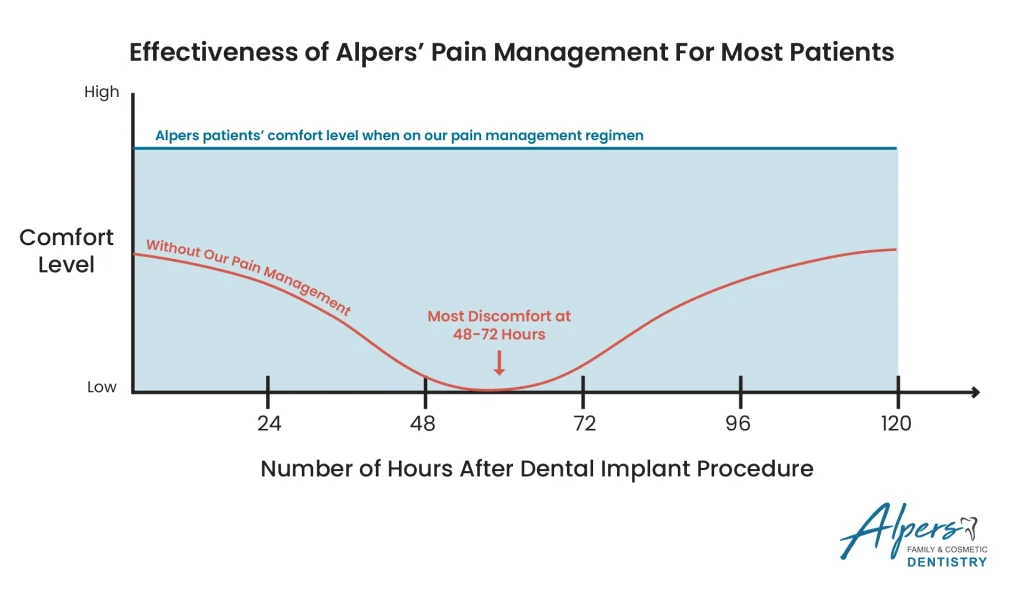
Take your prescribed pain medication before the local anesthetic fully wears off. Stay ahead of the pain. And rest—really rest. Keep your head elevated with pillows, even when napping. This isn’t the weekend to tackle that home renovation project. Your body’s resources are needed elsewhere.
Your Week-by-Week Healing Roadmap
Recovery from advanced dental implants isn’t a sprint; it’s a carefully paced marathon. Here’s a rough timeline of what to expect.
| Timeframe | What’s Happening | Your Focus |
| Days 1-3 | Initial healing, peak swelling, some discomfort. | Soft foods, ice, strict hygiene around the site, maximum rest. |
| Week 1-2 | Swelling subsides, gums begin to close. Sutures may dissolve or be removed. | Transition to slightly firmer foods, begin gentle saltwater rinses as directed. |
| Weeks 3-8 | Osseointegration begins—the bone starts fusing to the implant. | Maintaining impeccable hygiene, avoiding any pressure or chewing on the implant site. |
| Months 3-6+ | Osseointegration completes. The implant is now a stable part of your jaw. | Final restoration (crown, bridge) is attached. Transition to normal, mindful function. |
The Nitty-Gritty of Home Care: Do’s and Don’ts
This is where your daily habits make or break the outcome. It’s simple, but it requires consistency.
Eating and Drinking: Fuel for Healing
Stick to cool, soft foods for the first several days. Think yogurt, applesauce, mashed potatoes, smoothies (but no straws!). Seriously, avoid straws—the suction can cause problems. Gradually introduce more substance as comfort allows. And avoid anything crunchy, spicy, or excessively hot for a good while.
Oral Hygiene: Cleanliness Without Disturbance
You must keep your mouth clean to prevent infection, but be incredibly gentle around the surgical site. Your dentist will likely recommend a special antimicrobial rinse. For other teeth, brush softly. After the first few days, you can very carefully clean around the implant area with a super-soft brush or a tool they provide. The goal is to disturb nothing while keeping plaque at bay.
Red Flags: When to Call Your Dentist
Most recoveries are straightforward. But you know your body. Don’t ignore these warning signs:
- Throbbing pain that isn’t controlled by medication.
- Bleeding that just won’t stop after applying pressure.
- Swelling that actually increases after 3-4 days.
- Signs of infection: a foul taste, pus, or fever.
- That the implant fixture feels loose or mobile (once healing has started).
It’s always, always better to call and ask. That’s what your dental team is there for.
The Long Game: From Healing to Lifelong Care
Once you’re fully healed and your final tooth restoration is attached, the game changes. Your implant isn’t invincible—it requires smart, sustained care. A condition called peri-implantitis, which is inflammation around the implant, is a real threat if hygiene slips. Think of it like gum disease, but for implants.
So, what does long-term aftercare look like? Well, it becomes part of your routine:
- Meticulous daily cleaning: Brushing, flossing with implant-friendly tools (like water flossers or specific floss), maybe interdental brushes.
- No smoking: Honestly, this is non-negotiable. It drastically reduces success rates.
- Regular professional check-ups: Every six months, or as recommended. Your dentist will check the implant’s stability and the health of your surrounding gums.
In the end, recovering from advanced dental implants is a partnership. You bring the diligent home care and listening to your body. Your dental team provides the expertise and guidance. It’s an investment—of time, patience, and care. But the payoff? It’s a smile that’s not just beautiful, but built to last. A truly solid foundation for years of confident bites, laughs, and living.
About Author
