

Personalized Nutrition Based on DNA Testing: The Future of Eating for Your Genes
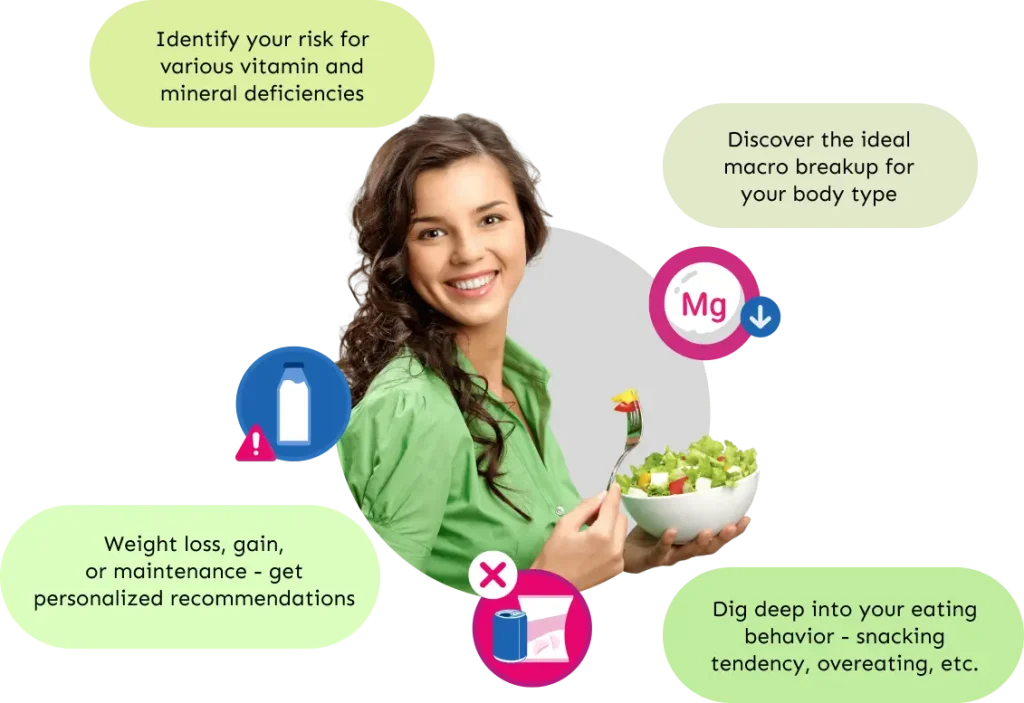
Imagine a world where your diet isn’t based on generic advice—like “eat more greens” or “cut carbs”—but tailored to your unique genetic blueprint. That’s the promise of personalized nutrition based on DNA testing. It’s not sci-fi; it’s happening now. And honestly? It’s a game-changer.
How DNA Testing Unlocks Your Nutritional Needs
Your genes influence everything from how you metabolize caffeine to whether you’re prone to vitamin deficiencies. DNA testing for nutrition analyzes specific gene variants—like MTHFR (linked to folate processing) or FTO (associated with fat storage)—to give you actionable insights. Here’s the deal: two people can eat the same meal and absorb nutrients completely differently. Your genes are why.
Key Genetic Markers in Nutrition
| Gene | Impact | Dietary Adjustment |
| MTHFR | Affects folate conversion | More leafy greens or methylfolate supplements |
| FTO | Obesity risk | Higher protein, lower refined carbs |
| APOA2 | Saturated fat sensitivity | Limit dairy/red meat |
| CYP1A2 | Caffeine metabolism | Adjust coffee intake |
See? It’s not just about “good” or “bad” foods—it’s about what works for your body. And that’s where DNA testing shines.
The Science Behind DNA-Based Diets
Nutrigenomics—the study of how food interacts with genes—is still young, but the evidence is compelling. A 2023 study found people following DNA-tailored diets lost 30% more weight than those on standard plans. Another showed personalized nutrition improved blood sugar control in 80% of participants. That said, it’s not a magic bullet. Genes are just one piece (think: lifestyle, gut health, and, you know, actually enjoying your meals).
What DNA Tests Actually Measure
Most tests analyze saliva or cheek swabs for variants like:
- Carb sensitivity – Do you process carbs efficiently or store them as fat?
- Lactose intolerance – Can you handle dairy, or does it leave you bloated?
- Antioxidant needs – Are you genetically prone to oxidative stress?
- Caffeine tolerance – Should you switch to decaf by noon?
Fun fact: 23andMe and AncestryDNA offer basic nutrition reports, but dedicated services like Nutrigenomix or DNAfit dive deeper.
Real-World Benefits of Personalized Nutrition
Forget one-size-fits-all meal plans. Here’s what DNA-based eating can do:
- Solve mystery cravings – A zinc deficiency (linked to certain genes) can make you crave salty snacks.
- Optimize workouts – Some genes favor endurance over strength training.
- Reduce trial-and-error – No more guessing if keto or Mediterranean is right for you.
Take Sarah, a 34-year-old who struggled with energy crashes. Her DNA test revealed a slow caffeine metabolism—so cutting back on coffee stabilized her energy. Simple, but life-changing.
Limitations (Because Nothing’s Perfect)
DNA testing isn’t a crystal ball. Here’s the fine print:
- Epigenetics matters – Your environment can turn genes “on” or “off.”
- Gut microbiome isn’t included – Your bacteria affect digestion as much as DNA.
- Cost can be prohibitive – Tests range from $100 to $400, often not covered by insurance.
Bottom line? DNA testing gives clues, not commandments. Use it as a tool, not a dogma.
How to Get Started with DNA-Based Nutrition
Ready to eat for your genes? Here’s how:
- Choose a reputable test – Look for CLIA-certified labs and registered dietitian support.
- Pair with a professional – A nutrigenomics-trained dietitian interprets results best.
- Start small – Adjust one habit at a time (e.g., swap breakfast carbs for protein).
Pro tip: Some companies bundle microbiome testing for a fuller picture. Worth considering.
The Future of Food Is Personal
We’re entering an era where “eat your veggies” could become “eat these veggies, prepared this way, because your genes say so.” It’s exciting—and a little daunting. But as science evolves, personalized nutrition might just make generic diet advice obsolete. Now that’s food for thought.
About Author
